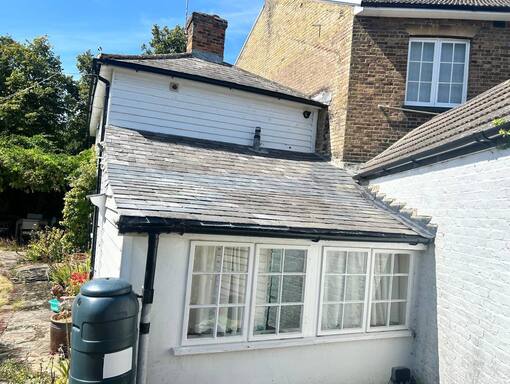
A damaged roof does not automatically need replacing. Localised defects such as a slipped tile, damaged flashing or an isolated leak can often be repaired successfully when the surrounding roof remains sound. However, replacement may become the more sensible option when deterioration is widespread or different sections continue to fail.
The decision should be based on the condition of the entire roofing system rather than one visible problem. A professional roof inspection can establish whether targeted repairs will restore reliable performance or whether the roof has reached the stage where further patching offers limited value.
Signs That Your Roof May Need Replacing
No single symptom always confirms that a new roof is required. Roofers assess the covering, underlay, battens, timbers, flashing, mortar and drainage components to understand how well the complete structure is performing.
The following signs can indicate that deterioration has become extensive.
Repairs Are Becoming More Frequent
An occasional repair is normal during the life of a roof. Concern arises when different problems appear regularly across separate areas.
One month it may be a slipped tile, followed by failed mortar, deteriorated flashing or another leak elsewhere. This pattern can suggest that several materials are reaching the end of their serviceable life at a similar time.
Continuing to repair individual symptoms may no longer provide a dependable result if the surrounding roof is also deteriorating.
Tiles or Slates Are Failing Across the Roof
A small number of damaged tiles or slates can usually be replaced. Widespread cracking, slipping, flaking or breakage is more significant.
Roof coverings gradually become weaker through weather exposure and natural ageing. When many units are fragile, accessing the roof for repairs can disturb nearby sections and cause additional damage. Widespread failure may therefore indicate that renewal should be considered.
The Roofline Is Sagging or Uneven
A healthy roof should have a consistent profile. Visible dips, sagging sections or distortion along the ridge may point to movement within the supporting structure.
Possible causes include weakened timbers, prolonged moisture exposure or deterioration of the roof deck. These problems require prompt professional assessment because replacing the outer covering alone will not correct an underlying structural weakness.
Leaks Are Appearing in Several Places
One leak may originate from an isolated defect. Multiple leaks across different rooms or roof slopes can indicate a broader breakdown in weather protection.
Water does not always appear directly below its entry point. It can travel beneath tiles, along timbers or across the underlay before becoming visible indoors. A thorough inspection is needed to determine whether several damp areas share one cause or result from widespread failure.
The Underlay Has Deteriorated
The underlay beneath the tiles or slates provides an important secondary layer of protection. Over time, older materials may become brittle, torn or unable to direct water effectively.
Its condition is difficult to assess from ground level. Signs of failure may include debris in the roof space, recurring moisture or daylight visible beneath the covering. If underlay deterioration extends across the roof, isolated external repairs may not be sufficient.
Battens and Timbers Show Signs of Decay
Roof battens support the tiles, while the larger timbers provide structural strength. Persistent water ingress can cause these components to soften, stain or decay.
Localised damage may sometimes be repairable. If deterioration is extensive, the covering may need to be removed so the affected structure can be accessed and restored correctly.
Ridge and Hip Materials Are Widely Deteriorated
Mortar and fixing systems along ridges and hips are exposed to considerable weathering. Small defects can often be repaired, but widespread cracking, looseness or movement may form part of a larger pattern of deterioration.
These areas should be considered alongside the condition of the tiles, underlay and roof structure rather than treated in isolation.
The Roof No Longer Performs Reliably During Rain
A roof may appear acceptable in dry weather yet repeatedly allow moisture inside during prolonged or wind-driven rain. Recurring damp patches, staining, peeling finishes or moisture in the roof space are signs that water resistance has been compromised.
If earlier repairs have not resolved the problem, the roof should be assessed as a complete system. The original source may have been misidentified, or several weaknesses may now be present.
When Is Repair Still the Better Option?
Repair is often appropriate when:
- Damage is confined to one identifiable area
- Most tiles or slates remain secure and serviceable
- The supporting structure is dry and stable
- The leak has one traceable cause
- The underlay remains functional
- Previous repairs are not failing across the roof
A professional roofer should explain whether the proposed repair addresses the underlying cause and how it relates to the condition of the surrounding materials.
What Does a Roof Assessment Involve?
An effective inspection should consider both visible damage and concealed components. This may include checking:
- Tiles, slates and their fixings
- Ridge and hip sections
- Lead flashing and roof junctions
- Valleys and drainage routes
- Underlay and battens
- Roof timbers and internal moisture signs
- Chimney connections and roof penetrations
- Previous repair areas
This whole-roof approach helps prevent replacement being recommended for a repairable defect while also avoiding repeated patching of a roof that has deteriorated throughout.
Conclusion
Your home may need a new roof when defects are widespread, repairs are becoming frequent, coverings are failing across several areas or the supporting materials have deteriorated. Age alone does not decide the issue; the roof’s present condition and ability to provide reliable protection are far more important.
Attleborough Roofing Services can inspect roofs in Attleborough, Norfolk, identify the extent of any deterioration and recommend whether repair or replacement is the appropriate solution. If you are concerned about recurring defects or the overall condition of your roof, contact the team to arrange a professional assessment.
Call us on: 01603 249 398
Click here to find out more about Attleborough Roofing Services
Click here to complete our contact form and see how we can help with your roofing needs.